
Organic and Bio-organic Chemist (late)
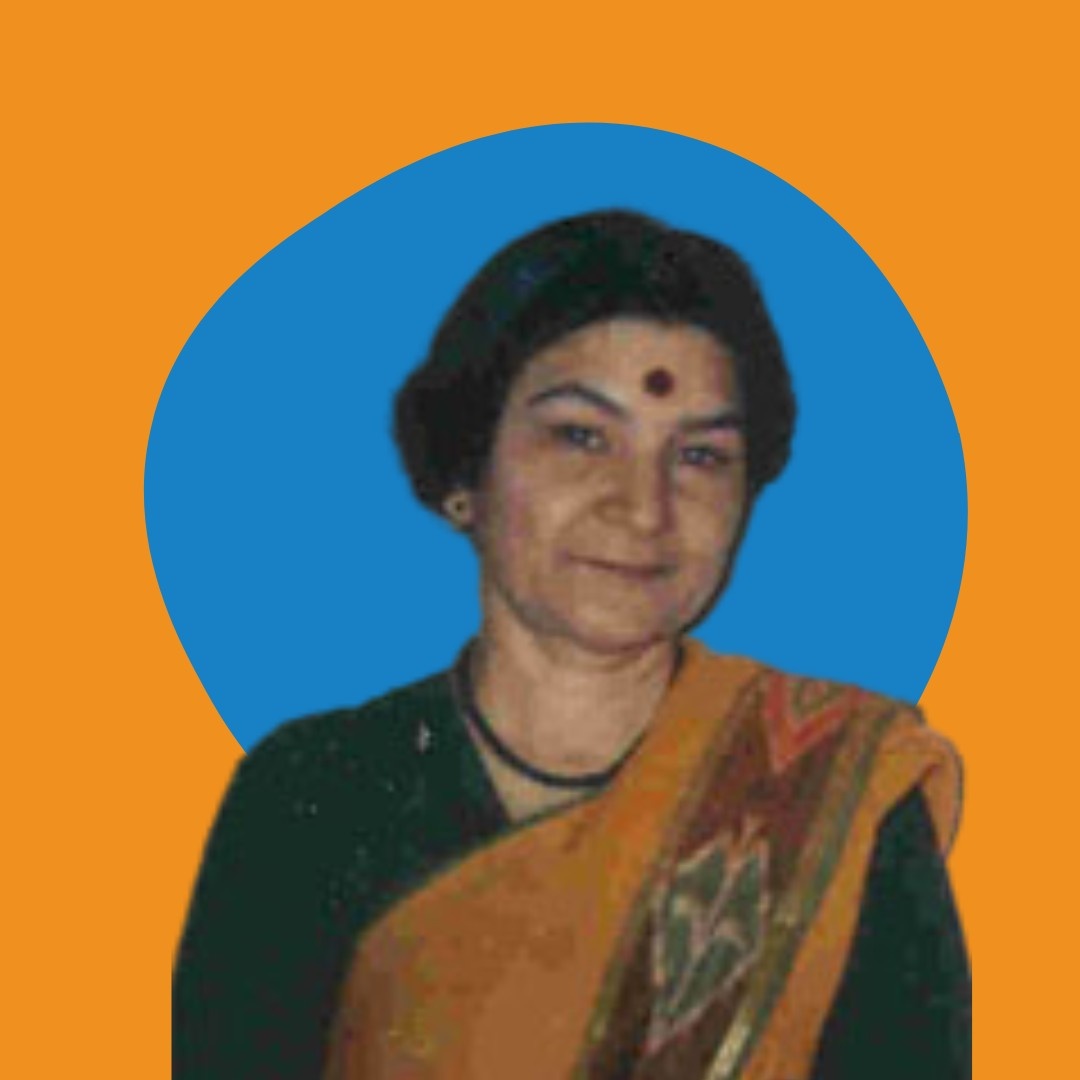
Darshan Ranganathan was a pioneering Indian organic chemist best known for foundational contributions to bio-organic and biomimetic chemistry.
84 years
1941-03-17
Bachelor’s degree in Chemistry Master’s degree in Chemistry Doctorate (PhD) in Organic Chemistry
University of Mumbai Indian Institute of Technology (IIT) Kanpur
Full Name: Darshan Ranganathan
Nickname: Not Publicly Available
Country/State: India
Date of Birth: 1941-03-17
Languages Known: English, Hindi
Zodiac Sign: Pisces
Food Habit: Not publicly
Religion: Not public
Hobbies: Scientific research, academic writing, interdisciplinary thinking, mentoring students
School: Not publicly disclosed
College: University of Mumbai Indian Institute of Technology (IIT) Kanpur
Degrees Obtained: Bachelor’s degree in Chemistry Master’s degree in Chemistry Doctorate (PhD) in Organic Chemistry
Height: 175 cm
Weight: 71 kg
Parents: Not publicly disclosed
Siblings: Not publicly disclosed
Marital Status: married
Wife: Not Public
Children: 0
Current Position: Organic and Bio-organic Chemist (late)
Skills:
Net Worth: Not publicly disclosed
Awards & Achievements: Shanti Swarup Bhatnagar Prize for Chemical Sciences Fellow of major Indian science academies Internationally recognised pioneer of biomimetic and bio-organic chemistry Introduced innovative concepts linking chemical reactivity with biological function Played a key role in advancing interdisciplinary chemical research in India Guided numerous PhD scholars who later became leaders in academia and industry
Darshan Ranganathan was one of India’s most influential organic chemists, internationally recognised for pioneering work in bio-organic and biomimetic chemistry. Born in 1941, he pursued advanced training in chemistry and built a distinguished academic career at institutions such as IIT Kanpur and later at JNCASR, Bengaluru. His research explored how biological systems achieve remarkable chemical efficiency and selectivity, and he translated these principles into synthetic chemical models. By bridging organic chemistry with biology, he helped establish bio-organic chemistry as a major research discipline in India. Awarded the Shanti Swarup Bhatnagar Prize, he was admired for originality, intellectual depth, and interdisciplinary vision. Beyond research, he was a passionate mentor who inspired generations of chemists to think beyond traditional boundaries. His legacy continues through his publications, students, and the enduring influence of biomimetic approaches in modern chemistry.
.jpeg)
.jpeg)

No comments available.