
Botanist and Cytogeneticist Expert in medicinal plants, biodiversity and genetic improvement
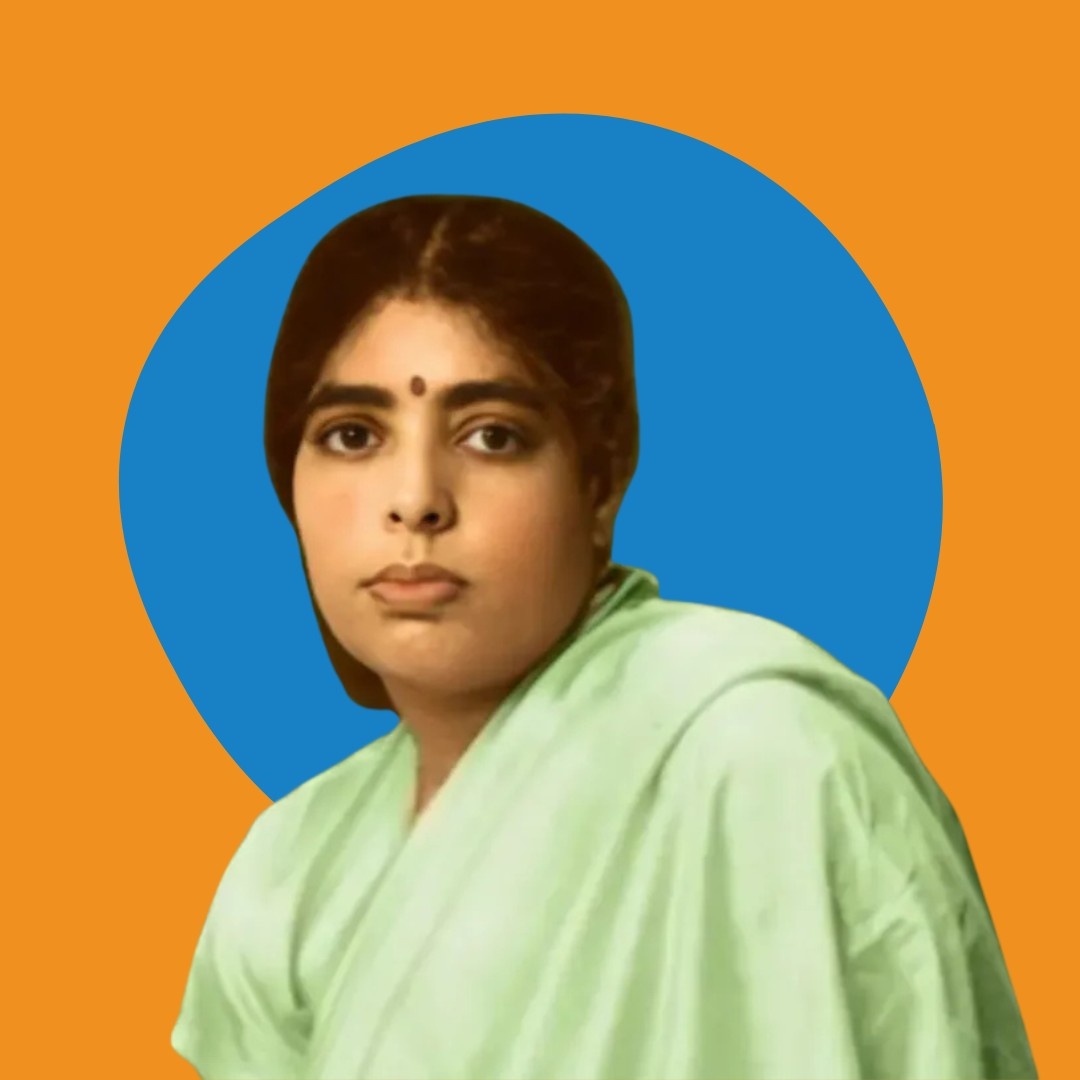
Legendary Indian botanist known for plant cytogenetics, sugarcane breeding and biodiversity conservation.
128 years
1897-11-04
B.Sc. in Botany M.Sc. in Botany Doctor of Science (D.Sc.) in Botany (One of the first Indian women to receive a D.Sc. in science internationally)
Queen Mary’s College, Chennai University of Michigan, USA
Full Name: Edavalath Kakkat Janaki Ammal
Nickname: Janaki Ammal Mother of Indian Plant Cytogenetics
Country/State: India
Date of Birth: 1897-11-04
Languages Known: English, Malayalam
Zodiac Sign: Scorpio
Food Habit: Not Public
Religion: Not public
Hobbies: Botanical research Study of Indian flora Environmental conservation Field exploration
School: Education in Tellicherry (Kannur district)
College: Queen Mary’s College, Chennai University of Michigan, USA
Degrees Obtained: B.Sc. in Botany M.Sc. in Botany Doctor of Science (D.Sc.) in Botany (One of the first Indian women to receive a D.Sc. in science internationally)
Height: 170 cm
Weight: 70 kg
Parents: Father: Diwan Bahadur E.K. Krishnan Mother: Devaki Ammal
Siblings: Not Public
Marital Status: not_married
Wife:
Children: 0
Current Position: Botanist and Cytogeneticist Expert in medicinal plants, biodiversity and genetic improvement
Skills:
Net Worth: Not Public
Awards & Achievements: Padma Shri award recipient Helped develop improved hybrid sugarcane varieties in India Global expert in plant chromosome studies Contributed to saving native Indian plant species in the Western Ghats First Indian woman botanist of global stature Major botanical species named in her honour (e.g., Magnolia kobus “Janaki Ammal”)
Janaki Ammal was one of India’s most remarkable botanists and a pioneer in plant genetics. Born in 1897 in Kerala, she pursued higher studies in botany at a time when Indian women rarely entered scientific fields. She earned her D.Sc. degree from the University of Michigan, becoming one of the earliest Indian women scientists to be internationally recognised.
Her work at the Sugarcane Breeding Institute transformed India’s sugarcane crops by improving yield and adaptability through hybridisation. She became globally respected for her work in cytogenetics, studying chromosomes and plant evolution.
Janaki Ammal also served at the Royal Horticultural Society in the UK and later as an influential leader at the Botanical Survey of India. Her lifelong mission included protecting India’s biodiversity, especially the flora of the Western Ghats.
She inspired countless women to enter science and remains a symbol of scientific excellence and environmental stewardship in India.
Remembered nationwide as a trailblazing woman in Indian science
Her conservation principles guide ongoing biodiversity policies
Honoured in science events and women-in-STEM programs across India
.jpeg)
.jpeg)

No comments available.