
(He passed away in 2016) Former Physicist, Scientific Administrator, Government Advisor
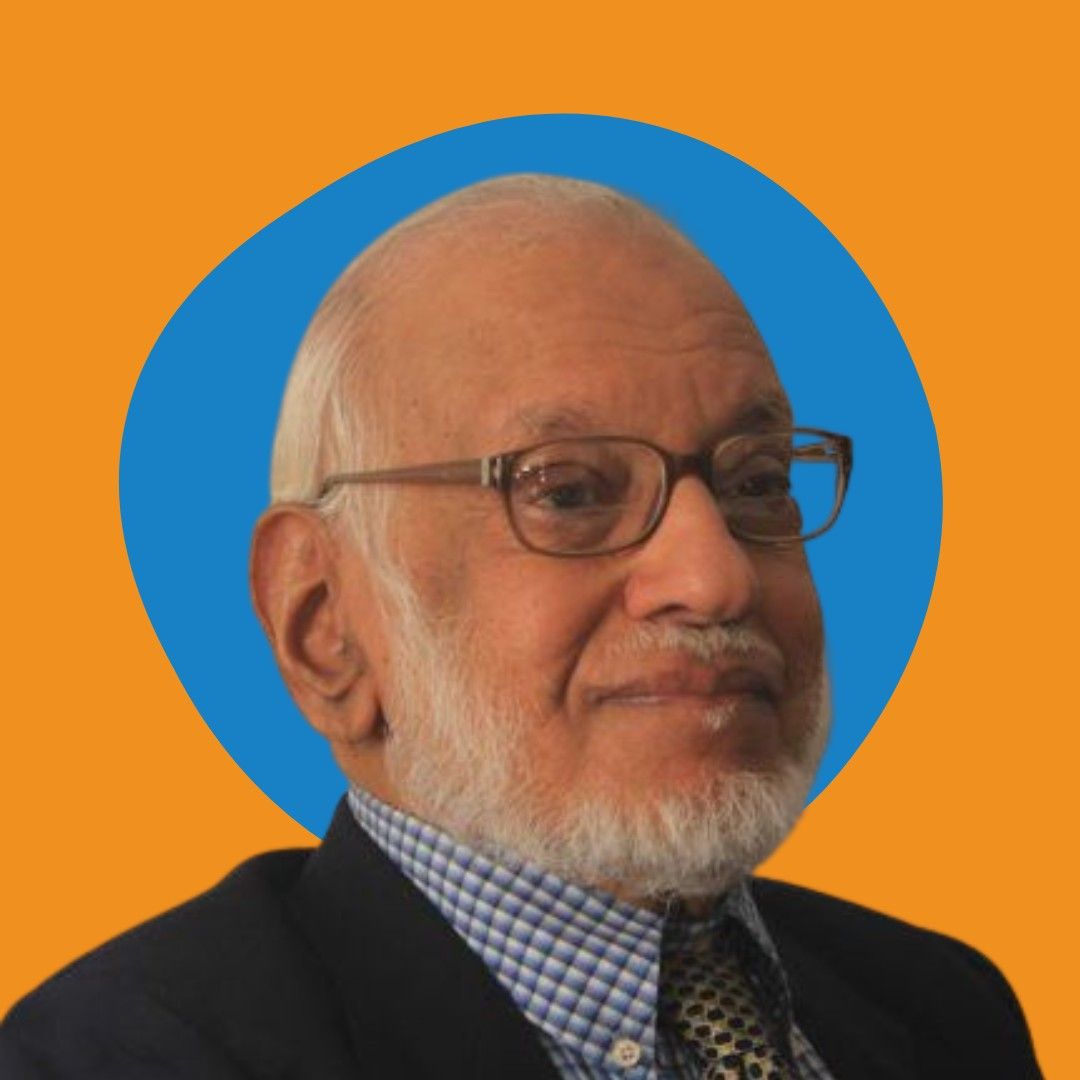
M.G.K. Menon was a leading Indian physicist and science policymaker who shaped India’s atomic energy, space research, and national science institutions.
97 years
1928-08-28
B.Sc. in Physics Postgraduate and Doctoral research in Cosmic Rays Physics
Schooling in Thiruvananthapuram, Kerala
Full Name: Mambillikalathil Govind Kumar Menon
Nickname: MGK Menon
Country/State: India
Date of Birth: 1928-08-28
Languages Known: English Hindi Malayalam
Zodiac Sign: Virgo
Food Habit: Vegetarian (widely assumed; not publicly detailed)
Religion: Hindu
Hobbies: Scientific research Space science policy development Reading Mentoring young scientists
School: Schooling in Thiruvananthapuram, Kerala
College: Schooling in Thiruvananthapuram, Kerala
Degrees Obtained: B.Sc. in Physics Postgraduate and Doctoral research in Cosmic Rays Physics
Height: 175 cm
Weight: 74 kg
Parents: Father: M.G. Keshavan Nair Mother: Lakshmi Amma
Siblings: Not Public
Marital Status: married
Wife: Indira Menon
Children: 1
Current Position: (He passed away in 2016) Former Physicist, Scientific Administrator, Government Advisor
Skills:
Net Worth: Not applicable (public service scientist)
Awards & Achievements: Padma Bhushan Padma Vibhushan Key contributor to India’s space and atomic energy development Expanded research programs at TIFR and ISRO Played an important role in Soviet–India space cooperation Member of Indian Planning Commission Founded several national science missions and labs
M.G.K. Menon was born in Kerala in 1928 and later pursued advanced research in cosmic rays at the University of Bristol under Nobel laureate Cecil Frank Powell. After returning to India, he joined TIFR and soon became one of the most influential figures in Indian science.
He played a key role in developing India’s high-energy physics research, atmospheric studies, and space exploration programs. As a scientific administrator, he strengthened India’s collaboration with international space agencies and boosted the country’s indigenous technology capabilities.
Menon’s leadership expanded the scope of ISRO, atomic energy initiatives, and defence sciences. He also served in national advisory roles, helping set the direction for India’s science policy for decades. His vision continues to influence India’s research infrastructure and youth-driven scientific development.
He passed away on 22 November 2016, leaving a true legacy as a scientist-statesman.
His contributions are being highlighted in special exhibitions and lectures commemorating India’s 75+ years of scientific progress.
TIFR and ISRO continue to honour his institutional leadership in research archives and academic discussions.
Several space policy debates reference his foundational frameworks for international collaboration.
.jpeg)
.jpeg)

No comments available.