
(He is no longer living) Geneticist, Agricultural Scientist, Policy Leader
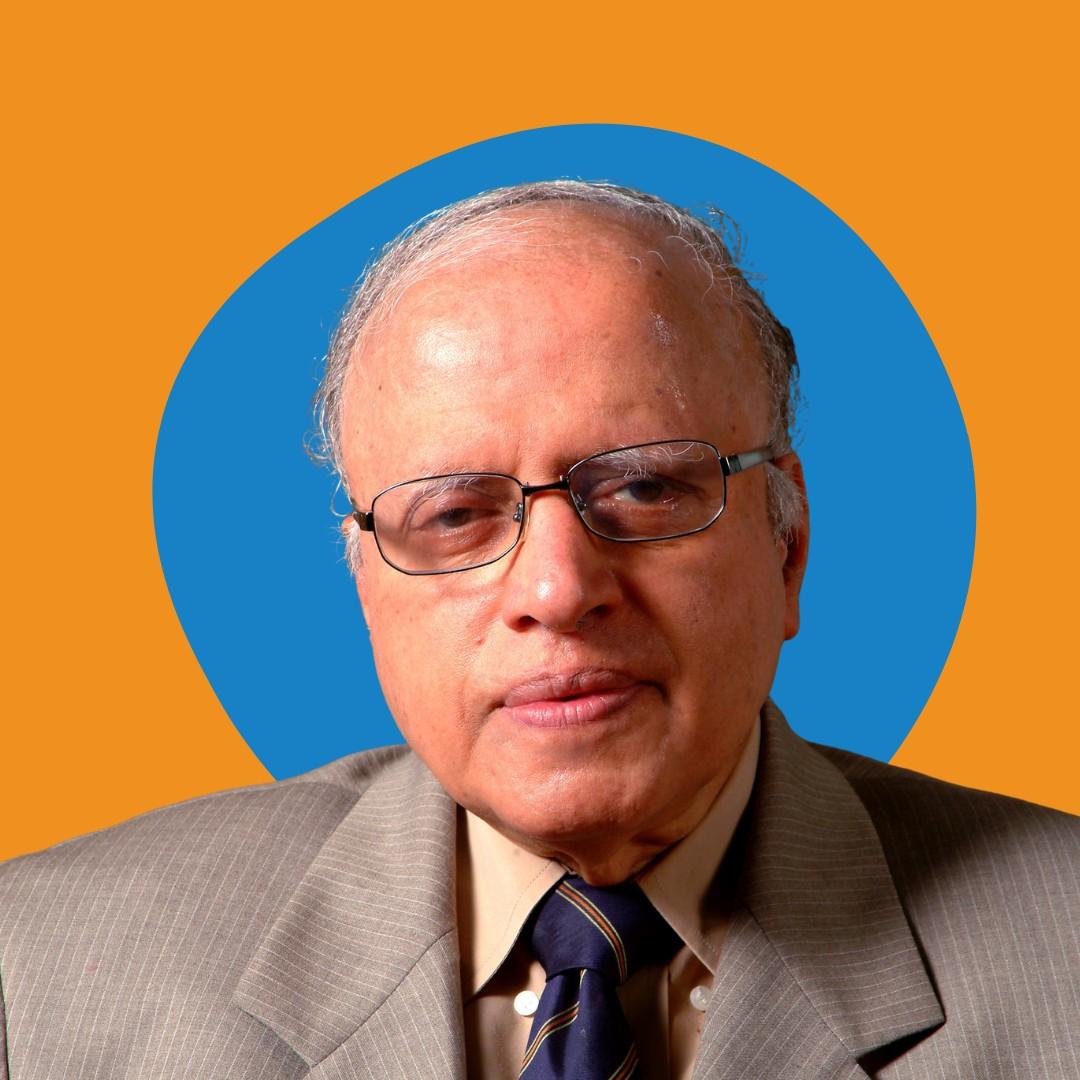
M. S. Swaminathan was a pioneering Indian geneticist who led the Green Revolution, helping India shift from food shortages to food self-sufficiency. His scientific leadership saved millions of lives and shaped modern sustainable agriculture.
100 years
1925-08-07
B.Sc. Postgraduate degree in Agricultural Sciences Ph.D. in Genetics and Plant Breeding
Loyola College, Chennai – B.Sc. Zoology University of Madras – Agricultural sciences studies
Full Name: Monkombu Sambasivan Swaminathan
Nickname: Father of the Indian Green Revolution M. S. Swaminathan
Country/State: India
Date of Birth: 1925-08-07
Languages Known: English, Tamil, Malayalam, Hindi
Zodiac Sign: Leo
Food Habit: Vegetarian (traditional South Indian lifestyle)
Religion: Hindu
Hobbies: Writing, Agricultural research, Rural development programs, Educational outreach
School: Local schools in Kumbakonam, Tamil Nadu
College: Loyola College, Chennai – B.Sc. Zoology University of Madras – Agricultural sciences studies
Degrees Obtained: B.Sc. Postgraduate degree in Agricultural Sciences Ph.D. in Genetics and Plant Breeding
Height: 175 cm
Weight: 75 kg
Parents: Father: Dr. M. K. Sambasivan (Medical doctor) Mother: Parvati Sambasivan
Siblings: Not Public
Marital Status: married
Wife: Dr. Mina Swaminathan
Children: 3
Current Position: (He is no longer living) Geneticist, Agricultural Scientist, Policy Leader
Skills:
Net Worth: Not applicable (public service, academic and research contributions)
Awards & Achievements: Architect of India’s Green Revolution, ensuring national food security Transformed Indian agriculture with high-yielding wheat and rice varieties World Food Prize recipient Padma Shri, Padma Bhushan, and Padma Vibhushan honours Played a major role in eliminating famine-level shortages in India Founder of sustainable farming and nutrition-focused rural initiatives Recognised globally as one of the most influential agricultural scientists of the 20th century Member of top environmental and scientific advisory bodies worldwide
Born in 1925 in Kerala into a medical family, Swaminathan chose agricultural science over medicine to address India’s food crisis after the Bengal famine. He studied genetics and plant breeding in India and Europe and later joined agricultural research efforts in India.
In the 1960s, he introduced high-yielding, disease-resistant wheat and rice varieties, combined with irrigation, fertilisers, and farmer education. This breakthrough created India’s Green Revolution, leading to dramatic increases in food production and preventing recurring famines.
He worked closely with agricultural innovators including Norman Borlaug and led national institutions such as ICAR to strengthen farmer-focused research. After retirement from government service, he established the M. S. Swaminathan Research Foundation to promote sustainable livelihoods, biodiversity protection, women farmer empowerment, and climate-smart agriculture.
His work made India a global example of successful agricultural transformation and science-driven public welfare.
Indian agricultural institutes are celebrating his 100th birth year (centenary initiatives) including awards, lectures, and farmer-innovation programs.
MSSRF continues his mission by launching climate-resilient crop research to support small farmers facing global warming.
His principles of nutrition-sensitive and sustainable farming are being integrated into new national rural development policies.
Global scientific communities are honouring him as one of the most impactful humanitarian scientists in history.
.jpeg)
.jpeg)

No comments available.