
Aerospace Engineer Former Chairman of ISRO Currently Vikram Sarabhai Distinguished Professor, ISRO
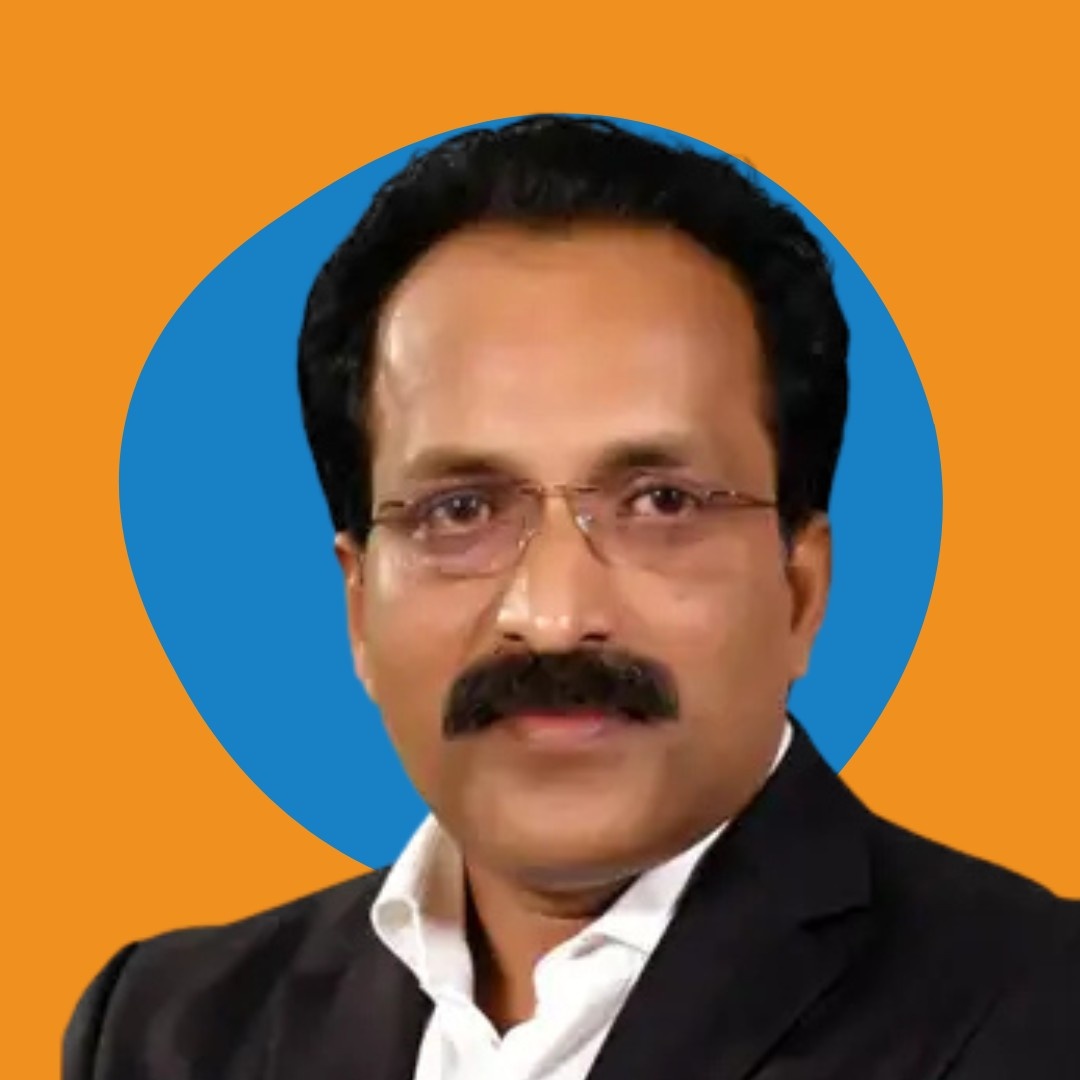
S. Somanath is an Indian aerospace engineer and former ISRO Chairman known for leading Chandrayaan-3 to a successful soft landing on the Moon.
62 years
1963-07-01
B.Tech in Mechanical Engineering M.Tech in Aerospace Engineering Ph.D. in Engineering / Space Systems
Thangal Kunju Musaliar College of Engineering, Kollam Indian Institute of Science (IISc), Bengaluru Doctoral research completed at IIT Madras
Full Name: Sreedhara Panicker Somanath
Nickname: S. Somanath Mission Somanath
Country/State: India
Date of Birth: 1963-07-01
Languages Known: English Malayalam Hindi
Zodiac Sign: Cancer
Food Habit: Mostly vegetarian
Religion: Hindu
Hobbies: Space science advocacy Leadership mentoring Classical music appreciation Reading scientific literature
School: St. Augustine’s High School, Aroor, Kerala
College: Thangal Kunju Musaliar College of Engineering, Kollam Indian Institute of Science (IISc), Bengaluru Doctoral research completed at IIT Madras
Degrees Obtained: B.Tech in Mechanical Engineering M.Tech in Aerospace Engineering Ph.D. in Engineering / Space Systems
Height: 175 cm
Weight: 70 kg
Parents: Father: V. Sreedhara Panicker Mother: Thankamma
Siblings: Not Public
Marital Status: married
Wife: Valsalakumari
Children: 2
Current Position: Aerospace Engineer Former Chairman of ISRO Currently Vikram Sarabhai Distinguished Professor, ISRO
Skills:
Net Worth: Not applicable (public service scientist)
Awards & Achievements: Former Chairman of ISRO Led Chandrayaan-3 to a historic soft landing on the lunar south pole Strengthened India’s multi-mission launch vehicle capabilities Advanced NavIC, communication and remote sensing satellites Played key roles in PSLV, GSLV Mk-III and next-gen launch vehicles Over four decades in space engineering and leadership Recognised as one of India’s top contributions to global space achievements
Born in Kerala in 1963, S. Somanath grew up inspired by science and engineering. After completing mechanical engineering, he pursued aerospace studies at IISc Bengaluru and later completed a Ph.D. while already holding senior positions in ISRO.
He joined ISRO in 1985 and worked in various leadership roles, especially at the Vikram Sarabhai Space Centre, where he contributed to the development of PSLV and GSLV rockets.
In 2022, he became Chairman of ISRO and guided the organisation through one of its greatest achievements — Chandrayaan-3’s lunar landing, making India the first country to land on the Moon’s south pole. Under his leadership, ISRO also expanded national satellite services and encouraged private space startups.
He is admired for his calm leadership style, strong engineering expertise and dedication to India’s rise as a space power.
Continues to be honoured at national space science events for Chandrayaan-3 success
Mentoring teams working on Gaganyaan, Aditya-L1, and Chandrayaan-4 planning
Serving as a leading voice guiding India’s next decade of deep-space exploration
.jpeg)
.jpeg)
No comments available.