
Professor of Organic Chemistry Science Educator and Academic Mento
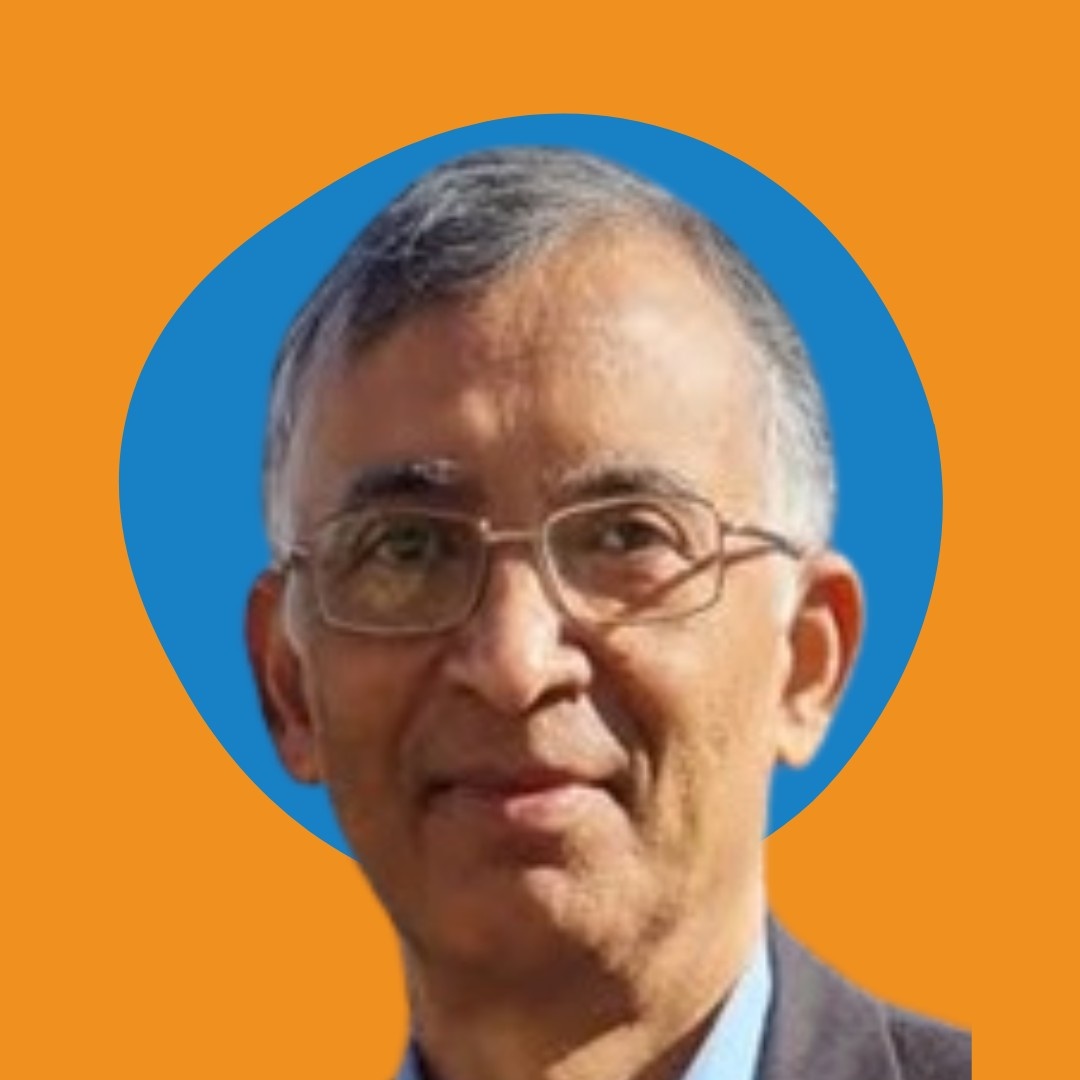
Uday Maitra is a renowned Indian organic chemist and science educator, best known for his research in supramolecular chemistry and his outstanding contributions to chemistry education.
years
PhD in Organic Chemistry Postdoctoral research in advanced organic and supramolecular chemistry
University of Calcutta Indian Institute of Science (associated with higher studies and research)
Full Name: Uday Maitra
Nickname: Not Public
Country/State: India
Date of Birth:
Languages Known: English, Bengali, Hindi
Zodiac Sign:
Food Habit: Not Public
Religion: Not Public
Hobbies: Science teaching, mentoring students, reading, academic writing
School: Not publicly disclosed
College: University of Calcutta Indian Institute of Science (associated with higher studies and research)
Degrees Obtained: PhD in Organic Chemistry Postdoctoral research in advanced organic and supramolecular chemistry
Height: 175 cm
Weight: 73 kg
Parents: Not Public
Siblings: Not Public
Marital Status: married
Wife: Not Public
Children: 0
Current Position: Professor of Organic Chemistry Science Educator and Academic Mento
Skills:
Net Worth: Not Public
Awards & Achievements: Highly respected organic chemist and educator in India Known for influential research in supramolecular and bio-organic chemistry Recipient of national science and teaching recognitions Fellow of major Indian scientific academies Recognised for excellence in undergraduate and postgraduate science education Widely cited research publications and invited lectures
Uday Maitra is one of India’s most respected figures in organic chemistry and science education. He has spent decades advancing research in supramolecular chemistry, molecular recognition, and bio-organic systems, while simultaneously shaping generations of students through his teaching.
As a professor at the Indian Institute of Science, Bengaluru, he has played a key role in strengthening chemistry education and promoting conceptual clarity in organic chemistry. His teaching style is widely appreciated for making complex chemical principles intuitive and engaging.
In addition to research and teaching, he is known for mentoring young scientists, contributing to academic policy discussions, and supporting initiatives that improve science education standards in India. His work reflects a rare balance between high-impact research and deep commitment to education.
In 2025, Prof. Uday Maitra continued active involvement in chemistry education initiatives and advanced organic chemistry research.
He participated in national workshops and faculty development programs focused on improving undergraduate chemistry teaching.
His recent academic contributions have focused on integrating modern research perspectives into foundational chemistry education.
.jpeg)
.jpeg)
No comments available.